Step into the grandeur of Karnak Temple with our expertly curated private Luxor tours. Discover with a knowledgeable Egyptologist guide the monumental halls, the sky-high columns, and the delicate hieroglyphs. Reap the benefits of VIP transfers for a comfortable trip and savor a customized itinerary that guarantees a classy and unforgettable adventure in one of Egypt’s most popular ancient sites.
One of the major highlights for our exclusive Egypt Tours is the visit to Karnak Temple, which is an exceptional way to see ancient history. The entire experience is designed to be a luxury travel experience full of comfort, culture, and discoveries through private guided experiences, VIP transfers, and carefully planned itineraries so that each moment is crafted.
History of Karnak Temple
Works at Karnak Temple began over 4,000 years ago during the Middle Kingdom, continued through the New Kingdom, and into a period afterward. It underwent further expansion under more than 30 pharaohs, including the famous Hatshepsut, Seti I, and Ramses II. The temple was the main religious venue for the worship of Amun-Ra, the king of gods.
The long construction period has made Karnak a living-history textbook of Egyptian history. Every ruler fashioned their unique mark, and thus, a large mixture of sanctuaries, pylons, and obelisks came to existence. That interesting story is presented in Luxor day tours and Luxor excursions.
Architectural Style and Layout of Karnak Complex
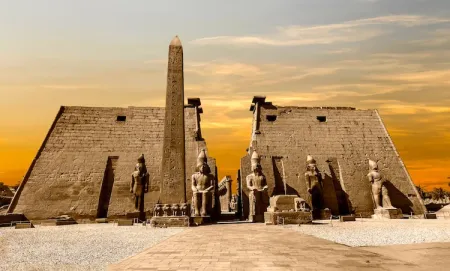
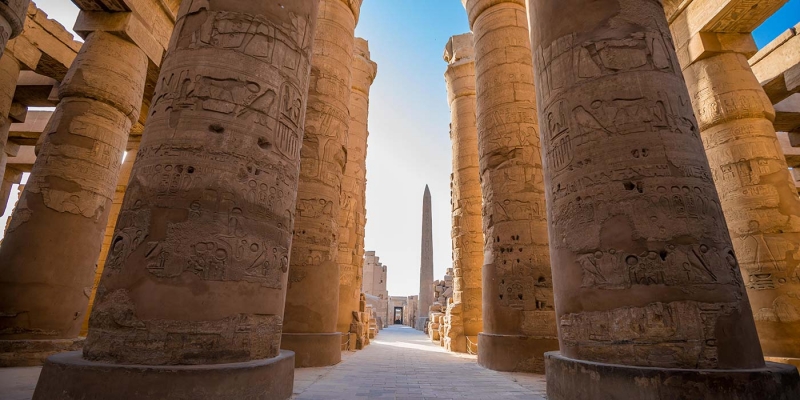
The Karnak complex is the largest religious building ever constructed. More than 100 hectares in size, it comprises temples, chapels, and a sacred lake. Centrally located is the Precinct of Amun-Re, famous for housing the Great Hypostyle Hall—a forest of 134 massive columns, some taller than 20 meters.
Karnak is a colossal open-air museum built over millennia. The building is a testimony to the might and wealth of ancient Thebes, thus making it one of the must-stop locations on nearly every day tour throughout Luxor, especially for those fascinated by the genius of ancient engineering and design.
Religious and Cultural Importance
Not just a temple, Karnak was the spiritual nucleus of ancient Egypt. It was believed to serve as the earthly residence of Amun-Ra and as the location of the great religious festival of Opet, in which the statue of the god was carried to Luxor Temple.
That profound spiritual importance makes Karnak not just a historic monument but also a sacrosanct place. Contemporary Luxor day tours tell stories of rituals, offerings, and omnipresence that make the visit a rich, immersive experience. The Karnak Temple is more than a stop on a tourist itinerary; it's a bridge into the ancient belief systems that defined a civilization.
The Main Sections in Karnak Temple You Must See
Great Hypostyle Hall
An impressive hall of 134 columns, created with hieroglyphs and depictions of pharaohs making offerings to the gods.
Precinct of Amun-Re
The largest and most important part of the complex, with obelisks, sanctuaries, and the Sacred Lake.
Sacred Lake
Therefore, for purification and other ceremonies. Quite a few consider a stroll around it a delightful diversion during a day trip to Luxor.
Avenue of Sphinxes
This grand path was once the route with hundreds of statues of sphinxes between Karnak and Luxor Temple.
All of these main sights are covered either on full-day Luxor tours or Luxor day trips and often paired with a tour of the Luxor West Bank.
Things to Consider Before Visiting the Karnak Temple
Opening Hours: The temple opens from 6:00 AM to 5:30 PM
Location: East Bank of the Nile, Luxor
The Karnak Temple is mostly accessed during a day tour that has been prearranged. Many tours cover the transport, guide service, and even the entrance fee. Whether on a brief day trip to Luxor or part of an extended journey, visiting Karnak is a must.
Tips for Your Day Trip to Karnak Temple
Arrive early to beat the heat and crowds.
Hire a guide who really knows the history and can share many insights.
Put on comfortable shoes since there is much to walk around.
Carry water and sunscreen because you'll find very little shade inside the temple.
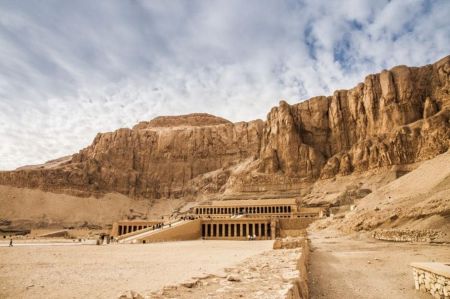
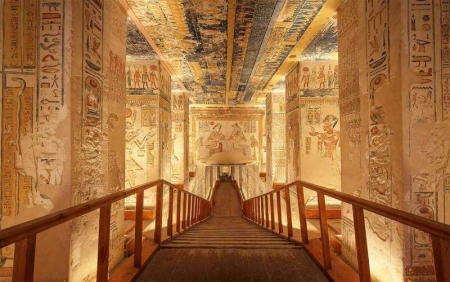
Pair Karnak with other sites for a full Luxor West Bank tour: Luxor Temple or Valley of the Kings.
These tips are critical to making the most out of your day tours in Luxor or your independent Luxor excursions.
Why Karnak Temple Holds the Top Rank Among Luxor Tourist Attractions
The temple of Karnak is not just a mere ruin; it's an epitome of thousands of years of culture, faith, and regal aspirations. Due to its vastness and temporal significance, it holds the place of the major attraction of Luxor and a focal point of most day trips in the city.
This temple speaks to all people—historians, spiritual seekers, photographers, and visitors on their Luxor day excursion wanting something extraordinary. Karnak remains one of the most asked-after experiences in Luxor, and that timeless wonder always leaves guests amazed.
Make Karnak Temple Highlight of Your Luxor Day Tour
Karnak Temple is more than a temple—it is a living testament to the greatness of ancient Egypt. Whether you are on a short day trip to Luxor or on extended Luxor excursions, this iconic site cannot remain unnoticed.
For an unforgettable evening experience, don’t miss the Sound and Light Show at Karnak Temple. As night falls, the temple is brought to life with stunning lights and captivating narration, which reveals the stories of pharaohs and sacred rituals and the architectural marvels of ancient Thebes. The 75-minute show starts with a guided walk, which takes audiences through the temple grounds, and ends with a spectacular finale beside the Great Sacred Lake. The Sound and Light Show presents a magical view of Karnak, which has become one of the top attractions that visitors to Luxor daytime tours experience.
Interlacing a Luxor day tour or even a standalone adventure, Karnak will leave one stunned by its grandeur and sacred ambience. So, with lots of fascinating things to do in Luxor, Karnak remains at the very top. Seal your day tours in Luxor by experiencing one of the greatest architectural and spiritual wonders of the ancient world.