Luxor Temple is positioned on the east bank of the Nile River in the ancient city of Luxor. Among the most iconic and best-preserved ancient monuments of Egypt, it was erected around 1400 BCE during the New Kingdom era and should surely figure in any Luxor day tour itinerary. Luxor Temple is dedicated to the Theban Triad—Amun, Mut, and Khonsu—and is one of the living spiritual and architectural legacies of Egypt.
History of Luxor Temple: Who Built It?
Luxor was initiated under the reign of Amenhotep III and altered by Tutankhamun, Horemheb, and Ramses II. It was constructed on top of an older temple and meant for the Opet Festival, where gods were taken in sacred boats from Karnak to Luxor—the very same route often retraced on many Luxor tours.
Why visit Luxor Temple?
Architectural Marvel of Luxor Temple
The temple represents excellent architecture of the ancient Egyptians. Massive statues of Ramses II guard the entrance pylon; the huge hypostyle hall is girded by 32 of the tallest columns, and every niche glitters with the promise of Egypt's glory. This awe-inspiring site forms the backbone of the half- and full-day tours in Luxor and is a shooter's paradise.
Some Facts About the Luxor Temple:
Located in Luxor, formerly Thebes, on the east side of the Nile, in southern Egypt.
Construction started circa 1400 BCE during the New Kingdom, under the reign of Pharaoh Amenhotep III, and was then later finished by Ramses II.
The Temple was dedicated to the Theban Triad of gods: Amun, Mut, and their son, Khonsu.
This temple was a focal point in festivities, including the Opet Festival, which celebrated the sacrosanct bond between the pharaoh and Divinity.
Luxor Temple, as opposed to other temples, was not dedicated to a god or to any specific cult but to the freshening of kingship.
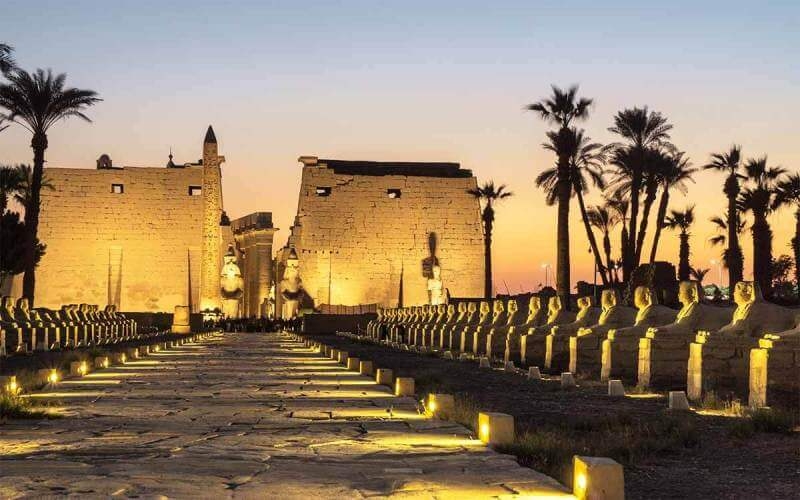
It boasts huge pylons, massive statues, and giant obelisks, including the gigantic seated statues of Ramses II flanking the entrance.
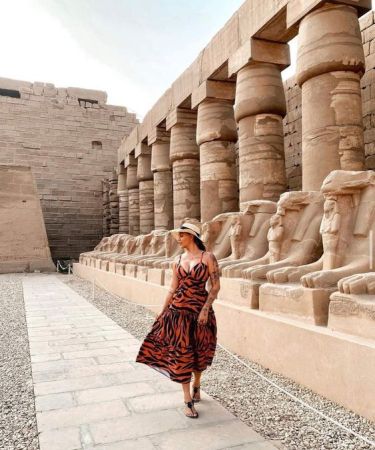
Linked to Karnak Temple through the Avenue of Sphinxes, a ceremonial road with sphinx statues along its sides.
In later years, Romans and early Christians used the temple, converting parts of it into both a church and a mosque (Abu Haggag Mosque), which still exist to this day.
Declared a World Heritage Site by UNESCO and ranked among the most visited archaeological sites in Egypt.
Luxor Temple: Important Features
Pylon and Colossal Statues: The temple entrance boasts huge statues and an obelisk (the twin stands in Paris).
Great Court of Ramses II: Made magnificent by papyrus columns and statues.
Hypostyle Hall: A forest of intricately carved columns.
Sanctuary of Amun: The holiest chamber in the temple where shrines and ritual altars are found.
Roman and Christian Influence: In later times, parts of the temple were converted into a church, and even today a mosque occupies a section of it.
Every one of these features possesses its own story, making it one of the most important stops on any day tour of Luxor.
Tips for visiting Luxor Temple
Wear comfortable shoes and bring water.
Go around sunrise or sunset to avoid the crowds.
Try to join a guided Luxor day tour for expert insights.
Combine with other nearby sites such as Karnak Temple and the Luxor Museum for a full-day visit to Luxor.
Best Time to Visit Luxor Temple
The ideal moment to go to the Luxor Temple is during the morning hours or at dusk, as the temperature is pleasant and there are fewer people around. Night visits are also highly praised, because the temple is magnificent and the whole place is illuminated, which gives rise to a wonderful atmosphere and good chances to take pictures.
Tickets, Opening Hours & Entrance Tips
Luxor Temple is open to the public daily from early morning to late night hours. You can get your tickets at the entrance gate, and it is advisable to come in the early morning hours or the late evening hours to avoid being caught in the crowds. You should wear comfy shoes and take along some water if you are going there during the summer months.
Nearby Attractions of Luxor Temple
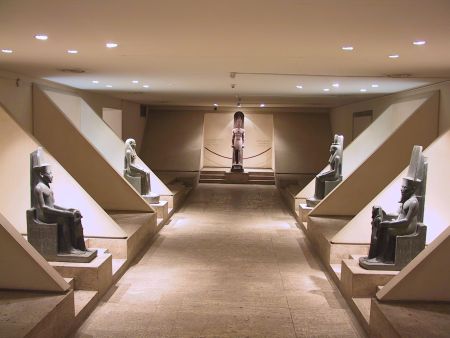
Location-wise, Luxor Temple is very close to the most visited attractions of Luxor. The Avenue of Sphinxes, which links Luxor Temple with Karnak Temple, is a wonderful location to take a walk through nature. Karnak Temple, which is the largest temple complex in Egypt, is just a few minutes' drive away, while Luxor Museum, right next to the temple, gives a good understanding of the ancient history of the city.
Hidden Secrets and Unique Facts
The temple is built on top of older ruins, which are still partially visible.
An active mosque, Abu Haggag, is integrated into the temple complex.
Used as a Roman fortress and later as a Christian church.
These layers of history make Luxor Temple an absolute must on any Luxor excursion itinerary!
Luxor Temple is perhaps the most famous Luxor tourist attraction, attracting visitors from all over the world. It was not just a religious omen of power but rather a place attracted with divine authority. The kings were crowned here in the presence of Amun, and major events were held within the sacred walls of the temple. Indeed, it is one of the highlights that travelers on Luxor day tours or multi-site Luxor excursions must see.
Luxor Temple is not just a monument—it's a living chronicle of Egyptian civilization. From the pharaohs to priests, conquerors, and tourists, it has been inspiring awe across millennia. Whether planning a single-day trip to Luxor or multi-day tours in Luxor, this sacred site offers an unforgettable dive straight into Egypt Tours.