Egypt Travel Tips – The Complete Insider Guide for Visitors
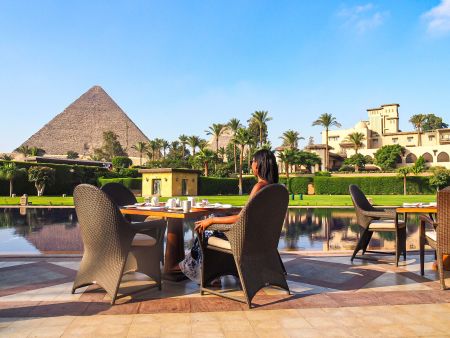
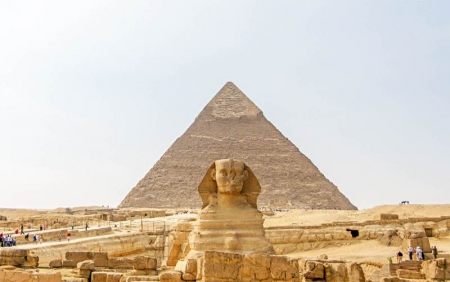
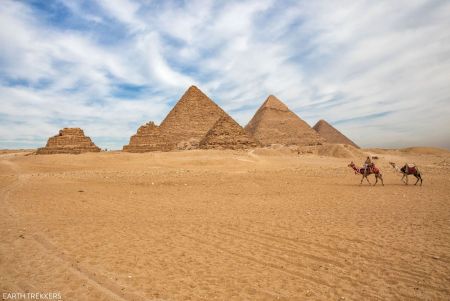
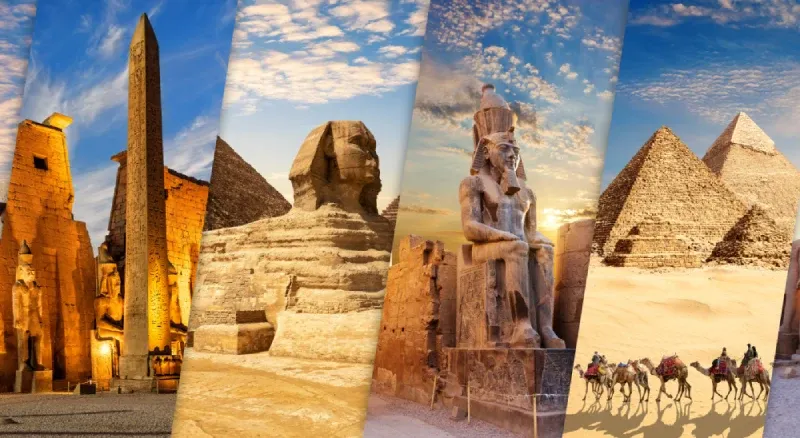
Egypt is one of the world's most extraordinary destinations — a living museum where 5,000 years of civilization rise from golden desert sands. Whether you are visiting Cairo's iconic pyramids, sailing the timeless Nile, exploring the magnificent temples of Luxor and Aswan, or diving into the Red Sea's crystal waters, arriving well-prepared makes all the difference. These essential Egypt travel tips will help you travel smarter, spend wiser, stay safer, and experience Egypt more deeply than the average visitor ever does.
Egyptian Currency & Smart Money Management
Egypt's official currency is the Egyptian Pound (EGP), locally known as Geneih and abbreviated as LE (Livre Égyptienne). One pound equals 100 piasters. Current exchange rates are approximately 50–52 EGP per 1 USD — always check live rates before and during your trip as they fluctuate.
Key Money Tips Every Visitor Should Know
Exchange currency inside Egypt. Banks, licensed exchange offices, and hotel desks in Egypt consistently offer better rates than exchanging money in your home country. Airport exchanges are convenient on arrival, while in-city exchange offices typically offer marginally better rates.
Carry cash for daily expenses. While major hotels, upscale restaurants, and large shops accept Visa, MasterCard, and American Express, many local markets, smaller restaurants, archaeological site entry points, and tipping situations are entirely cash-based. ATMs are widely available in cities but less reliable in remote areas — plan accordingly.
Keep small denominations handy. Entrance fees to archaeological sites must be paid in Egyptian Pounds. A separate small "fee wallet" with low-denomination LE notes prevents confusion and speeds up entry queues throughout your day.
Banking hours run Sunday through Thursday, 8:30 AM to 2:00 PM. Airport bank branches operate 24 hours a day for arrivals and emergencies.
Important note: Egyptian banks may decline $100 USD bills issued before 2006. If bringing USD cash, ensure all notes are post-2006 issues. Western Union branches operate nationwide should you need to receive emergency funds from abroad.
Egypt Visa: Simple, Affordable & Available on Arrival
Most nationalities can obtain a tourist visa on arrival at any Egyptian international airport — no pre-application required. The process is quick and straightforward:
- Cost: $25 USD per person (single entry)
- Validity: 30 days, extendable inside Egypt
- Process: Purchase a visa stamp at the visa counter in the arrivals hall, stick it onto a blank passport page, then proceed to the immigration officer for verification
- Requirement: Your passport must have at least six months of validity remaining from your date of entry
An online e-visa is also available for travelers who prefer arranging it in advance. The visa counter at the airport is also a convenient opportunity to do a quick currency exchange if you arrive with USD, EUR, or GBP.
Egypt's Weather: When to Visit & What to Expect
Egypt's climate divides into two distinct seasons: a hot season (May–October) and a cool season (November–April). The best travel months are October through April, when temperatures are pleasantly warm rather than extreme, and daylight hours allow full exploration of sites in comfort.
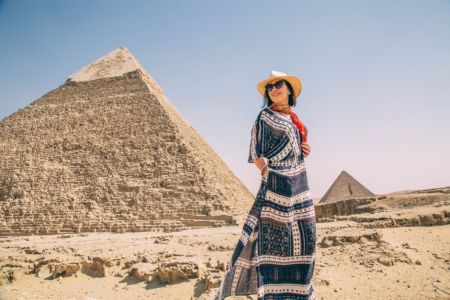
Summer (May–October): Temperatures in Luxor and Aswan regularly exceed 40°C (104°F). Cairo becomes increasingly humid through August. Coastal cities like Hurghada and Sharm El-Sheikh benefit from sea breezes but still see intense heat. Sun protection is non-negotiable — a wide-brim cotton hat, high-SPF sunscreen (50+), and UV-protective clothing are essential daily items.
Winter (November–April): Cairo and Alexandria enjoy mild days (18–24°C) with cool evenings — a light jacket is recommended. Luxor and Aswan remain warm during the day even in January. Desert areas can drop to near-freezing overnight in December and January, so layers are important for evening excursions.
Packing Essentials for Egypt
- Lightweight, breathable 100% cotton clothing for daytime
- A warm layer or jacket for evenings and air-conditioned spaces (hotels and buses are often heavily air-conditioned)
- Comfortable, closed-toe walking shoes — stone floors, uneven terrain, and sandy paths demand sturdy footwear
- A swimsuit — most quality hotels and Nile cruise ships have heated pools
- One or two smart or dressy outfits for special dinners or evening events onboard
- High-SPF sunscreen and a wide-brim hat — non-negotiable in any season
Laundry services are standard at all reputable hotels and Nile cruise ships, so you can pack lighter than you might expect.
Cultural Etiquette: Respect That Opens Doors
Egypt is a predominantly Muslim country with deep-rooted cultural traditions. Visitors who show basic cultural awareness are warmly received — Egyptians are famously hospitable, generous, and enormously proud of their heritage. A little respect goes a very long way.
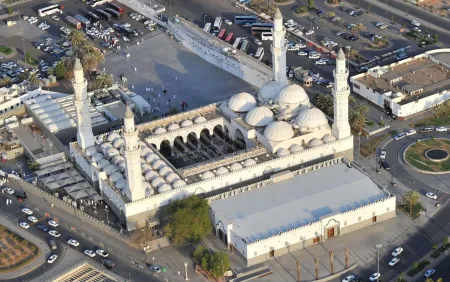
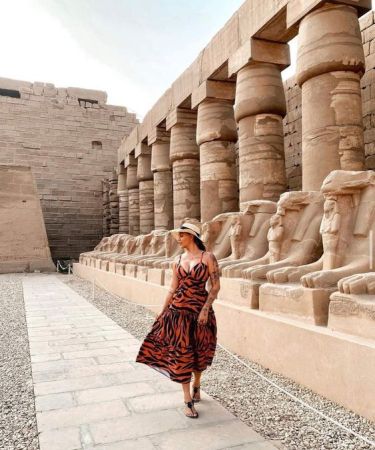
Dress modestly. While beach resorts have more relaxed standards, in cities, markets, mosques, and at all archaeological sites, dress conservatively. Shoulders and knees should ideally be covered. Women visiting mosques will be asked to cover their hair — a light scarf in your bag is a practical accessory throughout any Egypt trip.
Public displays of affection should be kept minimal in public spaces, particularly outside resort areas. What is considered casual in Western countries can be culturally jarring in Egyptian public life.
During Ramadan: Eating, drinking, or smoking publicly during daylight hours is considered disrespectful. Many local restaurants close during fasting hours. Traveling during Ramadan brings a uniquely beautiful atmosphere — evening iftars are extraordinary cultural experiences — but requires awareness and sensitivity.
Two essential phrases will transform your interactions on the street and in markets:
"La shukran" (No, thank you) — said calmly and with a smile — is far more effective than frustration when declining persistent vendor approaches.
Avoid "emshi" (go away), which is considered rude and can escalate situations unnecessarily.
Photography etiquette: Always ask permission before photographing local people, particularly women and elderly individuals. Inside temples and tombs, strictly observe "No Flash Photography" signs — flash light damages ancient pigments that have survived thousands of years and must be protected for future generations.
Health, Hydration & Staying Well in Egypt
Egypt's intense heat, occasionally unfamiliar cuisine, and constant outdoor activity mean health preparation is essential, not optional. A few basic precautions will keep you healthy and energized throughout your journey.
Water: Never drink tap water. Egyptian tap water is heavily chlorinated and unsuitable for consumption, though it is perfectly safe for showering and brushing teeth. Bottled water is inexpensive and sold everywhere — purchase from local shops rather than hotel minibars for significantly lower prices. Carry at least 1.5 to 2 liters per person daily during site visits.
Food safety: Egypt's cuisine is wonderful and adventurous — but ease into it over the first couple of days. Freshly cooked hot food, fruit you peel yourself, and meals at established restaurants are generally safe. Those with sensitive stomachs should be cautious with street food early in the trip.
Medical Kit — Pack These Before You Leave
- Anti-diarrheal tablets — traveler's diarrhea is the most common first-time visitor complaint
- Oral rehydration salts — invaluable in the heat
- High-SPF sunscreen (30+ minimum, 50+ recommended)
- Antihistamines and any personal prescription medications (carry prescriptions in original packaging)
- Antiseptic cream and adhesive plasters
- Mosquito repellent — especially important for Nile cruise guests and evening outdoor events
- A small pocket flashlight — invaluable inside tombs and poorly lit ancient chambers
- Wet wipes and hand sanitizer — essential after touching monuments and before eating
Pharmacies (saydaliyya) are widespread in Egyptian cities and well-stocked for common travel ailments, but bringing your own essentials is always advisable.
Visiting Archaeological Sites: Field-Tested Practical Tips
Egypt's monuments are awe-inspiring — and physically demanding. Maximize your experience at every site with these insider tips.
Timing is everything. Sites typically open at 8:00 AM. Arriving at opening time means cooler temperatures, better light for photography, and dramatically smaller crowds. Avoid midday hours (11 AM–2 PM) during the summer months entirely if possible.
Inside the pyramids: Entry to the interior chambers of the Great Pyramid of Khufu at Giza and selected Valley of the Kings tombs in Luxor is permitted, but involves an additional entrance fee, physical climbing through narrow ascending passages, and limited ventilation. Wear comfortable trousers rather than shorts or skirts. A small pocket flashlight is extremely useful inside dimly lit chambers and corridors.
Security checks are standard at all major tourist sites. Cameras and bags are routinely screened. Video cameras may require a separate permit at certain heritage sites — confirm with your guide or the site entrance before entering.
Join a qualified group tour. Licensed Egyptologist guides handle logistics, provide rich historical context, navigate access restrictions, and significantly reduce encounters with persistent vendors. Travelers in guided groups consistently have more immersive, relaxed, and informative experiences than solo visitors navigating independently.
Dress for tombs and pyramids: If you plan to explore interior chambers, wear long trousers and closed shoes. Passages can involve crouching, ladder-climbing, and crawling — comfort and practicality matter far more than appearance inside a 4,500-year-old structure.
Tipping in Egypt: The Complete Practical Guide
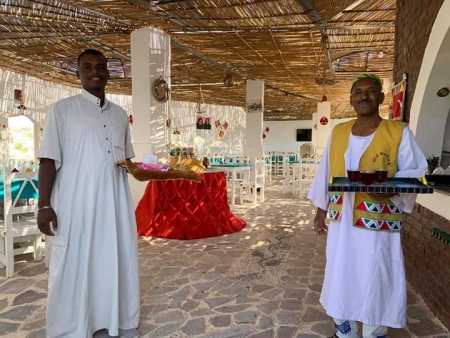
Tipping — locally called baksheesh — is deeply embedded in Egyptian culture and represents a significant portion of service workers' income. Tipping appropriately ensures better service and directly supports the livelihoods of the people who make your experience exceptional.
| Service | Suggested Tip |
|---|---|
| Sit-down Restaurant | 10–15% of total bill |
| Hotel Housekeeping | $1–3 USD per day |
| Tour Guide (full day) | $10–15 USD per person |
| Driver (full day) | $5–10 USD per person |
| Nile Cruise (all staff, collective) | $10–15 USD per person per day |
| Bathroom Attendants | 5–20 EGP |
| Bag Porters / Bellboys | 30–50 EGP per bag |
Keep a supply of small EGP notes easily accessible throughout the day — in a front pocket rather than a wallet — for spontaneous tipping situations at sites, restrooms, and market interactions.
Shopping & Souvenirs: What to Buy & Where to Find the Best
Egypt's markets (souqs) and artisan workshops offer genuinely unique items found nowhere else in the world. Knowing what to look for — and what to avoid — ensures your purchases are authentic and worth every pound.
Papyrus artwork — beautiful hand-painted scrolls from licensed papyrus institutes. Always verify you are buying genuine papyrus and not cheap rice-paper imitations sold widely at tourist sites. Bend a corner gently — real papyrus springs back, rice paper creases permanently.
Egyptian cotton products — among the finest cotton in the world. Sheets, towels, and garments in 100% Egyptian cotton make exceptional gifts and are available at far better prices locally than abroad.
Alabaster carvings — unique to Upper Egypt, particularly the Luxor region. Vases, figurines, canopic jars, and decorative pieces are carved from locally quarried stone and make beautiful, authentically Egyptian keepsakes.
Natural perfume oils — Egypt has a 4,000-year tradition of fragrance. Aswan is particularly renowned for pure essential oils: lotus, jasmine, rose, and sandalwood. Buy from established perfume houses, not street stalls, to ensure purity and quality.
Gold and silver jewelry — Egyptian-inspired designs incorporating ancient symbols (ankh, scarab, Eye of Horus, cartouche) are crafted and sold at Cairo's Khan El-Khalili bazaar and Luxor's central souq. Egyptian gold is typically 18 or 21 karat.
Spices — cumin, coriander, saffron, dried hibiscus (karkade), and exotic blends at market prices far below anything available in Western countries. The spice section of any Egyptian souq is an experience in itself.
Bargaining is expected in open markets and souqs. Begin at 40–50% of the first quoted price and negotiate with good humor. At established shops with clearly marked prices, bargaining is less common and less expected.
Practical Essentials at a Glance
- Electricity: 220–240V, 50Hz. Sockets are two-pronged European type (Type C). Bring a universal adapter if your devices use three-pronged plugs. Check that your devices support 220–240V before plugging in.
- Local SIM Card: Egyptian SIM cards from Vodafone Egypt, Orange Egypt, or Etisalat are affordable and widely available at airports and city shops. A local data SIM for your full trip costs very little and provides far more reliable connectivity than international roaming plans.
- Language: Arabic is the official language. In all major tourist areas, English is widely spoken and understood. French is commonly understood in upscale hotels and Nile cruise settings.
- Transport: Egypt drives on the right. Cairo traffic is notoriously intense — Uber and Careem (ride-hailing apps) both operate reliably in Egypt and are strongly recommended over negotiating with unmetered taxis.
- Emergency Numbers: Police 122 | Ambulance 123 | Tourist Police 126
- Credit Cards: Visa and MasterCard are widely accepted at hotels, major restaurants, and large shops. Always carry local cash as backup, particularly for markets, small restaurants, and archaeological sites.
Frequently Asked Questions About Traveling to Egypt
Can I use my credit card in Egypt?
Yes — Visa, MasterCard, and American Express are widely accepted at hotels, major restaurants, and larger shops across Egypt. However, always carry Egyptian Pounds in cash as a backup, especially when visiting local markets, smaller establishments, and tourist sites where cards are not accepted.
Is it safe to visit Egypt?
Egypt is a well-established and heavily visited international tourism destination welcoming millions of travelers every year. Tourist areas, archaeological sites, hotels, and Nile cruise routes are well-policed and considered safe for tourists. Standard travel precautions apply — keep an eye on your belongings in busy areas, use registered transport, and follow your guide's advice at all times.
Can I visit inside the pyramids at Giza?
Yes. The interior of the Great Pyramid of Khufu is accessible for an additional entrance fee, subject to daily visitor limits. The experience involves ascending a narrow, low-ceilinged passage to reach the central burial chamber. Comfortable, practical clothing is essential. Access may be temporarily restricted for preservation — confirm availability with your tour operator in advance.
What is the best time of year to visit Egypt?
October through April is universally considered the best travel period — temperatures are comfortable, daylight hours are generous, and major festivals add cultural richness to the experience. December and January are the busiest and most popular months. If visiting in summer, early morning site visits, excellent sun protection, and longer rest periods during midday heat are essential.
What are the best souvenirs to bring home from Egypt?
Genuine papyrus artwork, natural perfume oils (especially from Aswan), alabaster carvings from Luxor, Egyptian cotton products, handcrafted gold or silver jewelry with ancient Egyptian motifs, and freshly packed spices from local souqs are among the most authentic and memorable Egyptian souvenirs available.
Egypt rewards the well-prepared traveler with experiences that exist nowhere else on earth. Plan thoughtfully, travel respectfully, and let Egypt's extraordinary depth of history, culture, and natural beauty deliver memories that genuinely last a lifetime. We look forward to welcoming you.