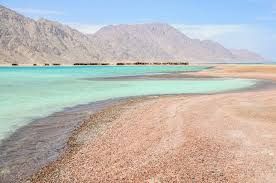
The Abu Galum Nature Reserve, which exists north of Dahab in South Sinai, constitutes one of Egypt's most beautiful and undiscovered natural sites. The reserve displays two distinct ecosystems, which combine to create a unique area that extends from its rugged desert mountains to its transparent Red Sea beach waters.
Abu Galum serves as an essential Red Sea attraction for travelers who want to experience unique Dahab tours and nature activities during their Egypt day trips. The destination serves as a highlight of any Egypt travel package because its natural beauty, tranquil environment, and diverse wildlife create an extraordinary experience.
Where Desert Meets the Red Sea
The Red Sea meets the desert in this location. The special character of Abu Galum arises from its exceptional natural features, which shape its entire territory. The Sinai mountains rise to their highest point before plunging down into the sea, which contains colorful coral reefs. This reserve area remains mostly unspoiled, which enables guests to experience nature in its authentic form without resort development.
The wild and tranquil atmosphere of the location develops through its combination of rocky valleys, desert plains, and underwater coral gardens. The location offers one of the few opportunities in Egypt that allows people to hike through desert mountains during the day and snorkel among colorful reefs during the afternoon.
How to Get to Abu Galum
Visitors to Abu Galum must first travel 20 kilometers from Dahab to reach the reserve. The visitors can access the reserve through three different routes, which include:
The scenic desert routes which 4x4 jeep rides use
Camel treks which travel the coastline
The guided hiking trails which cross the mountains
Many organized Dahab day tours include Abu Galum as part of their itinerary, often combined with visits to the famous Blue Hole or coastal Bedouin camps. The Sinai mountains and Red Sea attraction create beautiful landscapes, which visitors can see from both jeep and camel
Abu Galum Rich Flora and Fauna
The diverse plant and animal life of Abu Galum Nature Reserve creates exceptional biodiversity. The area maintains desert climate conditions yet supports:
Desert shrubs which grow in the native environment and plants which possess medicinal properties
Acacia trees and rare mountain vegetation
Desert reptiles and small desert-dwelling mammals
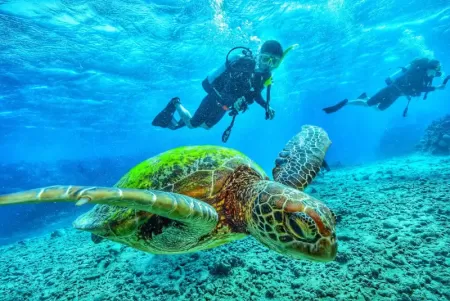
The underwater marine ecosystem displays its own stunning beauty. Snorkelers and divers can encounter:
The vibrant coral reefs our ocean waters teem with
The tropical fish species that inhabit our waters
Octopus and moray eels
The occasional appearance of sea turtles and reef sharks
The reserve serves as a wildlife sanctuary, which allows birdwatchers to observe migratory birds that use the Red Sea flyway.
The ecological diversity of Abu Galum Nature Reserve serves as one of the primary attractions that brings visitors to high-end Dahab tours and eco-friendly Egypt tours.
Top Activities in Abu Galum Nature Reserve
Snorkeling & Diving
The Red Sea waters here are exceptionally clear, which enables snorkelers and divers to see everything underwater with complete clarity. The coral reefs create a unique diving experience because they maintain their natural beauty while experiencing less visitor traffic than popular diving locations.
Desert Hiking & Exploration
Adventure lovers can explore mountain trails, which lead to concealed valleys and picturesque desert routes. The hiking trails present two benefits, which allow hikers to see the Red Sea from above and experience the untouched natural beauty of Sinai.
Camping & Bedouin Experiences
The most enchanting experience that Abu Galum offers to visitors involves spending a night underneath the celestial canopy. Many guided excursions provide visitors with basic beach camping options, which include traditional Bedouin meals. The experience of watching the sunrise over the mountains creates a memory that will last for all time.
Best Time to Visit Abu Galum
The ideal time to visit Abu Galum Nature Reserve is during spring (March–May) and autumn (September–November) because these seasons bring mild temperatures, which create comfortable conditions for hiking and snorkeling activities.
Early morning hours present the best conditions for ocean activities, while the late afternoon period reveals stunning sunset views that extend across both the mountains and the sea.
Visitors need to bring these items with them:
Sunscreen and hats
Comfortable walking shoes
An adequate supply of water
Snorkeling equipment