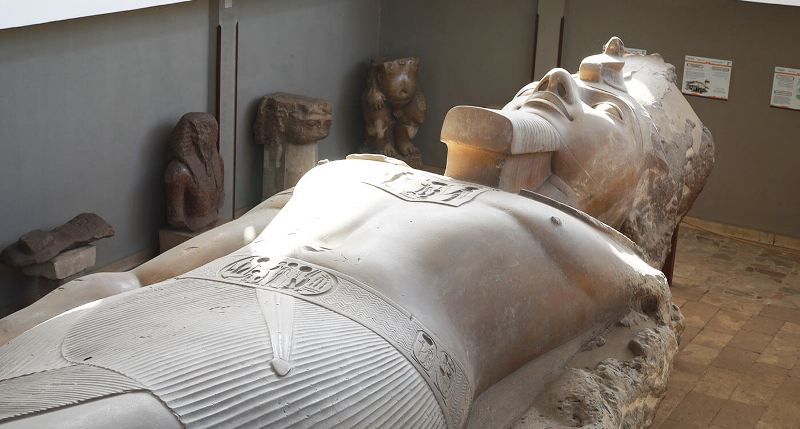
The story of Ancient Egypt is one of the most fascinating chapters in human history. This exceptional civilization existed for two thousand years along the Nile River while it built advanced architectural structures and created powerful ruling families and developed remarkable cultural achievements. Ancient Egypt attracts historians and travelers as well as every tourist who visits Egypt to discover the mysteries of this historic land.
Visitors to these historic sites participate in organized Egypt tours which enable them to experience the heritage of a great world civilization.
The Rise of the Ancient Egypt Civilization
The Ancient Egyptian civilization began to develop after King Narmer united Upper and Lower Egypt, which established the first Egyptian dynasty in 3100 BCE. This historic moment marked the beginning of a powerful kingdom that would influence culture, religion, architecture, and governance for thousands of years.
The Egyptian people believed that their rulers received divine selection from the gods, which enabled pharaohs to exercise both political and religious power. Religion functioned as a fundamental component of daily existence, which determined all aspects of temple rituals and burial customs. Many Egypt tourists today visit temples and historical sites to learn about the spiritual beliefs that guided the ancient Egyptians.
Dynasties of Ancient Egypt
The development of Ancient Egypt and its cultural accomplishments throughout history depended on various dynasties that ruled the nation.
The Old Kingdom
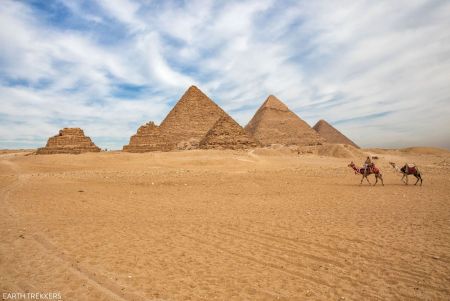
The period between 2686 and 2181 BCE, known as the Old Kingdom, received the nickname "Age of the Pyramids." The Egyptian Empire achieved its most important architectural advancements during this time period, which included the construction of the Giza pyramids.
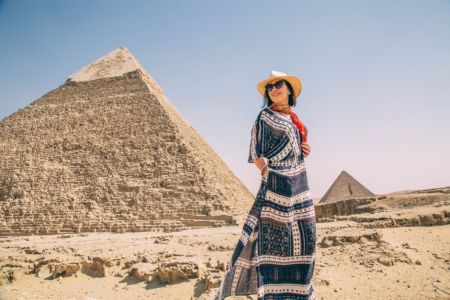
The Pyramid of Khufu stands as one of the most remarkable buildings ever constructed. The ancient Egyptians built this structure using their advanced engineering expertise without any contemporary equipment. The pyramids functioned as royal burial sites while simultaneously serving as strong displays of the pharaohs' power.
The pyramids rank among the top three historical sites in the world because they attract numerous tourists who include them in their Cairo day tours.
The Middle Kingdom Revival
Egyptian society restored its former strength after the First Intermediate Period when the Middle Kingdom period began. The leaders of the country established by Mentuhotep II managed to bring political unity which restored government order.
The period produced significant advancements in artistic expression and written works and administrative systems. The renewed prosperity strengthened Egypt's position and allowed the civilization to flourish once again.
Modern Egypt travel packages often include visits to historical sites that date back to this remarkable period of cultural growth.
The New Kingdom: Egypt's Golden Age
The period from 1550 BCE until 1070 BCE which marks the New Kingdom of Ancient Egypt stands as its most prosperous era. The pharaohs of this period established Egypt as a dominant power which extended its authority into surrounding territories.
The most well-known leaders from this period include:
Hatshepsut
Akhenaten
Ramesses II
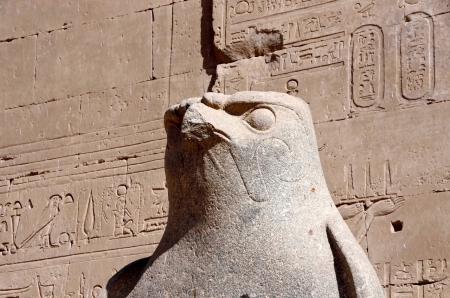
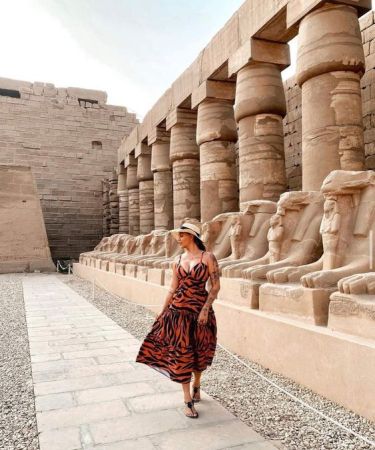
The pharaohs created enormous temples and monuments and statues which continue to exist in the present day. People who visit the temples of Luxor and Karnak during Egypt tours will see the great size of these historical accomplishments.
The Egyptian Pyramids: Wonders of the Ancient World
The Egyptian pyramids continue to serve as the most recognizable representations of Ancient Egypt. The huge structures which ancient Egyptians built show their exceptional building skills because they functioned mainly as burial sites for pharaohs and important officials.
The Giza pyramids which include the Great Pyramid receive millions of visitors throughout each year. The pyramids serve as the most important attraction for many tourists who travel to Egypt.
Tour companies frequently include the pyramids in Cairo day tours which enable visitors to discover the historical sites of the ancient world while they examine the engineering and religious importance of these giant structures.
Exploring Ancient Egypt Today
The extraordinary civilization of Ancient Egypt continues to attract travelers from all over the world who visit Egypt to experience its historical legacy.Through guided Egypt tours the visitors can explore ancient temples and royal tombs and museums which display their collection of valuable artifacts.
The most common tourist activities in Egypt consist of:
The Pyramids of Giza
The Valley of the Kings and Luxor temples
The Cairo museums display ancient artifacts
The historical Cairo day tours include visits to Old Cairo and its nearby monuments
The ancient sites of Egypt provide every visitor with an extraordinary experience that links contemporary times to one of history's most significant civilizations.
Ancient Egypt remains one of the most fascinating civilizations in human history. Egyptian culture developed through its powerful dynasties and legendary pharaohs who built extraordinary monuments which continue to tell their story. The pyramids and temples and royal tombs serve as sites that show the Egyptian people who lived thousands of years ago their artistic abilities and belief systems and actual accomplishments.
Through historic site exploration travelers today experience the enduring cultural heritage which this remarkable civilization has created. Egypt provides an unforgettable experience through its ancient temples and pyramids and pharaoh exhibits which display one of history's most remarkable civilizations.