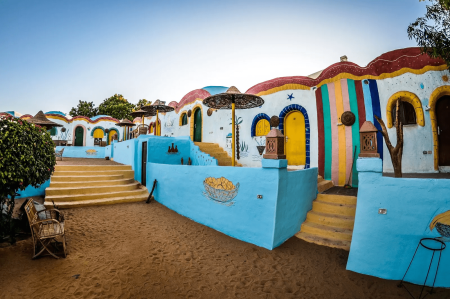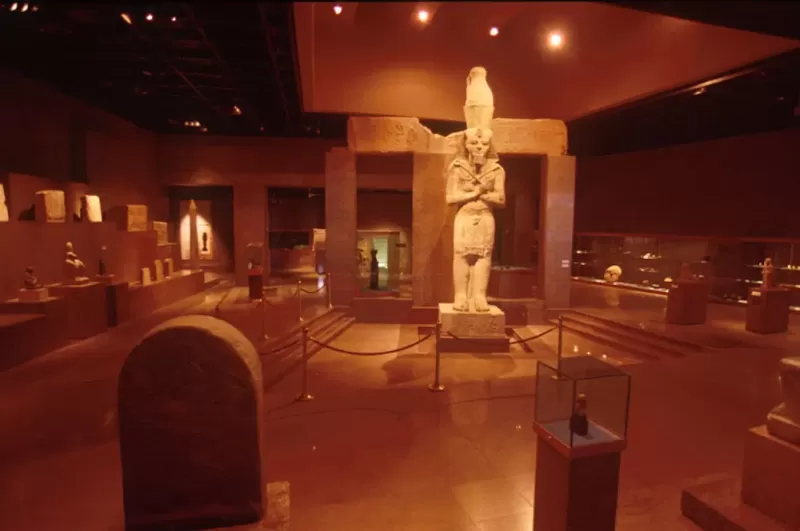
The Nubian Museum in Aswan, located along the banks of the Nile, is a colorful cultural site, casting a comprehensive glance at Nubian history and heritage. It has an extensive collection of artifacts that includes old sculptures, pottery, and textiles, representing the varied and rich culture of Nubia. The exhibits depict the historical ties of the region to Egypt and demonstrate the unique customs and arts of the Nubian people. If you are in Aswan day tour, the Nubian Museum must be a stopover. The experience is truly fascinating and will give you a good understanding of Nubian culture, hence serving as a great complement to any itinerary visiting the wonders of Aswan.
Location of the Nubian Museum:
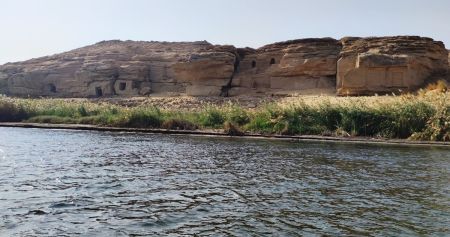
The Nubian Museum is located in Aswan, Egypt. More specifically, it is located on the Nile's western bank near the center of the city. Placed atop a hill, the museum provides a magnificent, endless view of the river and the desert lands around it. Its location is meaningful for another reason: The Nubian culture and history that it celebrates have undeniable connections to the land along the Nile, reaching to within southern Egypt and northern Sudan. About 2 kilometers (1.2 miles) away from the city center of Aswan, the museum can be reached with ease by anyone visiting the city.
Why the Nubian Museum Is a Must-Visit in Aswan
Celebration of Culture and Nubian Heritage:
The museum was established to protect Nubian history through its efforts to maintain and protect Nubian heritage. The Aswan High Dam construction project caused many Nubian communities to be relocated from their ancestral lands.
The display shows how Nubia maintained its historical ties to ancient Egypt while protecting the fundamental rights of Nubian people.
Beautiful exhibits and artifacts:
The museum holds a collection of more than 3,000 artifacts, including statues, pottery, jewelry, textiles, and household objects that illustrate Nubian life from ancient times to the present. It provides visitors with the opportunity to see objects ranging from the prehistoric period right through to the Christian and Islamic periods, thus giving a detailed idea of Nubian history.
This depth of history makes it a valuable cultural stop within curated Egypt travel packages.
Historical Significance:
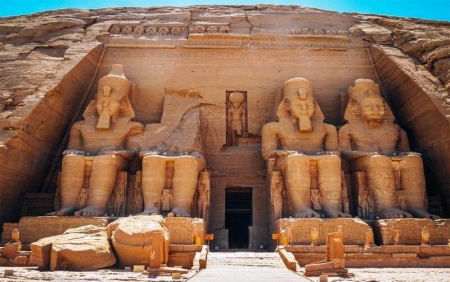
The Nubian Museum shows how the Aswan High Dam and the UNESCO rescue operation to relocate vital monuments, including Abu Simbel, created major changes in the region. The document shows information about powerful Nubian kingdoms, which include Kush, and their important leaders, who include King Piye and King Taharqa, who ruled Egypt during the 25th Dynasty. The site offers an important viewpoint about ancient societies, which most people miss when they go on standard Egypt tours.
Architectural Beauty:
The building itself reflects traditional Nubian architectural style, featuring:
Warm terracotta colors
Curved walls
Open courtyards
Landscaped gardens
The design blends beautifully with the surrounding environment, creating both a cultural and visual experience.
Learning Opportunity:
If Egyptology or the history of ancient civilizations is your interest, then the Nubian Museum offers an opportunity to explore a lesser-celebrated but equally important dimension of Egyptian history. It is a place where one will learn about Nubian kingdoms like Kush, their kings, and the influence Nubians had in Egypt's history, such as that of pharaohs Piye and Taharqa.
Local Crafts and Modern Nubian Life:
The museum also provides insight into present-day Nubian life, such as craft traditions like weaving and pottery. It shows how Nubian traditions live on and how people from the area are still managing their culture under the burden of modernization.
Peaceful Surroundings with Scenic View:
After the exhibition, visitors can head into the peaceful gardened area for beautiful views overlooking the Nile with the desert in the background. A lovely location to relax, think, and absorb the serene beauty of Aswan.
The best time to visit the Nubia Museum:
The Nubian Museum in Aswan is best visited in the cooler months, from October to April. The weather during this time is more pleasant and conducive for visiting the museum and other outdoor attractions in the area. Summer in Aswan (from May to September) can get brutally hot, making it impossible to maneuver; therefore, cool-season visits guarantee better comfort.
The Nubian Museum functions as a cultural site that serves as an important Aswan attraction that unites historical elements with cultural identity and ancestral heritage at a single site. The museum presents a complete historical experience that extends from the time of ancient Nubian kingdoms to the present day through its collection of Nile territory artifacts.
The story must be discovered. The culture must be experienced. This exceptional attraction in Aswan will finalize your exploration of southern Egypt.