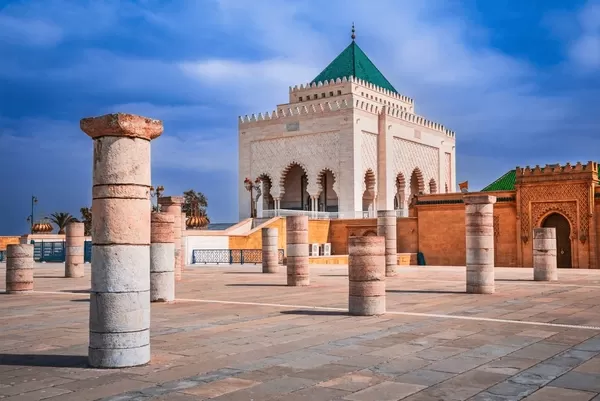
Rabat, the capital of Morocco, presents a combination of historical sites and contemporary architectural designs and natural coastal scenery. Rabat provides an unforgettable experience to all visitors with its UNESCO World Heritage Site Kasbah of the Udayas and its modern museums and vibrant medinas.
Rabat functions as a dynamic center of Moroccan culture which combines traditional cafés and artisan shops and waterfront promenades with royal palaces and peaceful gardens. This morocco travel guide will help you explore Rabat’s must-see attractions, local cuisine, festivals, and hidden gems, making your visit smooth, exciting, and truly memorable.
The Rich History of Rabat
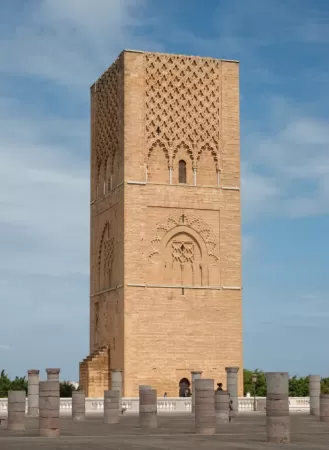
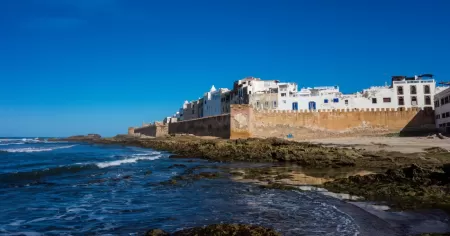
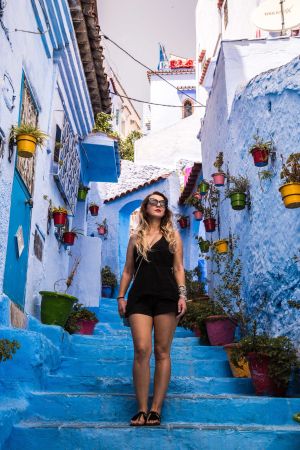
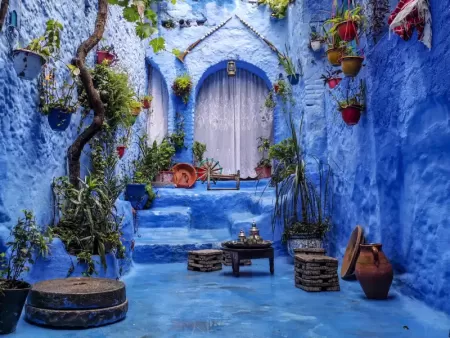
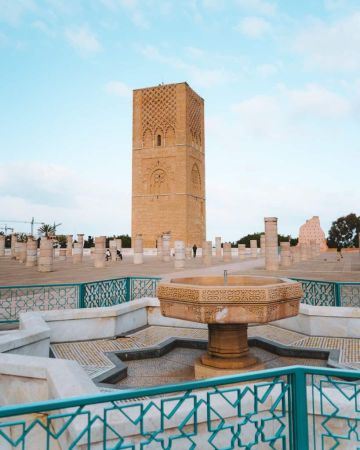
The heritage of Rabat exists through its main attractions which include the Kasbah of the Udayas, a UNESCO World Heritage site that features both its gardens and its blue-and-white streets. Visitors can admire Hassan Tower, an incomplete minaret symbolizing the city’s past glories, and the Mausoleum of Mohammed V, the resting place of Morocco’s revered kings.
The historical sites of Rabat create essential attractions which every tourist should experience during their time in Morocco.
Things to Do in Rabat
Wander the Medina
The medina of Rabat serves as a hidden gem that showcases authentic Moroccan culture. The narrow alleyways offer visitors an experience of traditional Moroccan life through their displays of handicrafts and aromatic spices and colorful rugs and souvenirs. Local bakeries and street vendors provide visitors with a chance to experience authentic Moroccan street food. When you hire a guide you will discover unknown places and historical sites which exist throughout Morocco's intricate street system.
Relax at the Andalusian Gardens
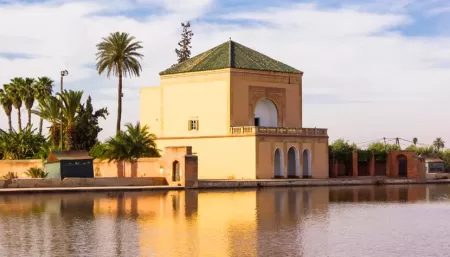
The Andalusian Gardens provide a quiet green space which contains ornamental fountains and shaded pathways and dense vegetation. The space serves as an ideal location for taking photographs and taking a break from work and enjoying the peaceful environment.
Visit the Mohamed VI Museum of Modern and Contemporary Art
The Moroccan art scene develops through its exhibitions which display work from both local and international artists who are in their early career stages. The temporary exhibitions present photography and modern painting and digital art to provide visitors with a new understanding of Moroccan cultural heritage.
Walk Along Bouregreg Marina
Bouregreg Marina provides visitors with a scenic riverside path which showcases traditional boats and modern buildings and charming coffee shops. The sunset at this location creates beautiful photographic opportunities while providing visitors with a peaceful experience in a picturesque urban environment.
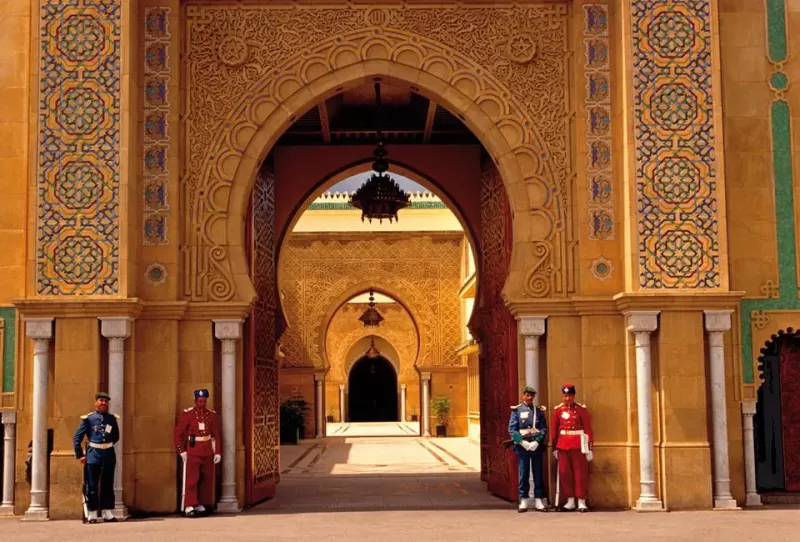
Explore the Royal Palace
Visitors can view the palace grounds which display impressive architectural designs and beautiful gardens and important ceremonial entrances. The royal palace grounds demonstrate how Moroccan royal traditions connect with modern Moroccan city development.
Optional Experiences
Take a river cruise along Bouregreg.
Attend cultural performances or festivals at nearby venues.
Visit local cafés and tea houses to experience Moroccan hospitality firsthand.
Best Time to Visit Rabat
Rabat enjoys a mild Mediterranean climate year-round, but the most comfortable months are spring (March–May) and autumn (September–November). During these periods:
Daytime temperatures are warm yet not too hot for walking tours and outdoor sightseeing.
Coastal breezes along the Atlantic make Marina walks and beach visits enjoyable.
These months are ideal for multi country tours, combining Rabat with Casablanca, Fes, Marrakech, and Chefchaouen.
Summer (June–August) can be hotter, especially inland, while winter is mild but occasionally rainy. Planning your visit in the shoulder seasons ensures pleasant weather and fewer crowds.
Travel Tips for Visiting Rabat
The narrow cobblestoned streets require visitors to wear shoes which provide them with comfort.
Local restaurants serve traditional dishes which include couscous and pastilla.
The knowledge of basic Arabic and French phrases enables users to establish connections with native speakers.
Visitors who take guided tours of Rabat will discover the city’s ancient history and present-day cultural traditions.
People need to bring water and sunscreen during summer because of its hazardous conditions.
The tips provide essential guidance which all tourists should follow when they visit Morocco.
Rabat serves as a city which showcases both Moroccan historical and cultural elements together with its contemporary urban environment. The city of Rabat offers visitors a complete Moroccan experience through its medina streets which lead to its historical sites and tranquil gardens and modern museums and beautiful riverfront areas.
Your morocco tours itinerary will become more authentic through the inclusion of Rabat. The city’s historical sites and energetic cultural scene will leave every visitor to Morocco with lasting inspiration.