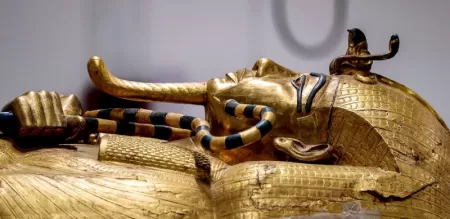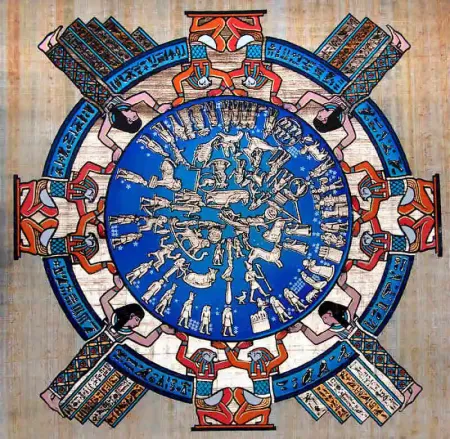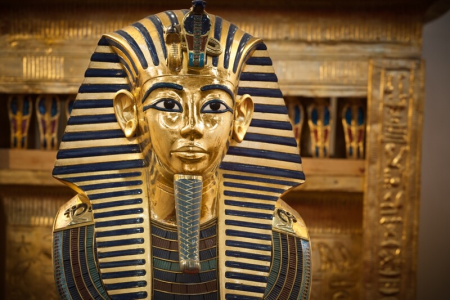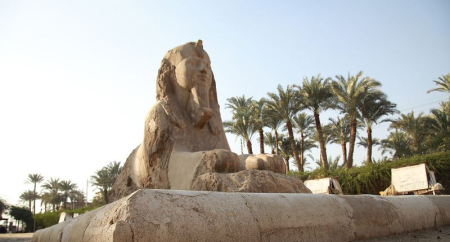
The historical sites of Ancient Egypt have preserved their magical appeal to both historians and travelers as well as explorers who visit from every part of the globe throughout the last two hundred years. The Nile River's fertile banks supported the growth of one of history's most significant civilizations which constructed amazing pyramids and impressive temples while leaving behind detailed hieroglyphic inscriptions that demonstrate their religious beliefs and royal history and their daily activities.
Currently, visitors use guided Egypt tours and planned Egypt Travel Packages to discover the hidden aspects of this exceptional ancient civilization through its historical sites. Every Egyptian path from the Valley of the Kings to the massive Karnak and Abu Simbel temples provides visitors with an opportunity to experience the remarkable historical period which continues to attract visitors from around the world and every inquisitive Egyptian tourist.
The Birth of Ancient Egyptian Civilization
The origins of Ancient Egypt trace back to approximately 3100 BCE when Pharaoh Menes accomplished the unification of Upper and Lower Egypt. The unification established a powerful empire which maintained dominance throughout many centuries.
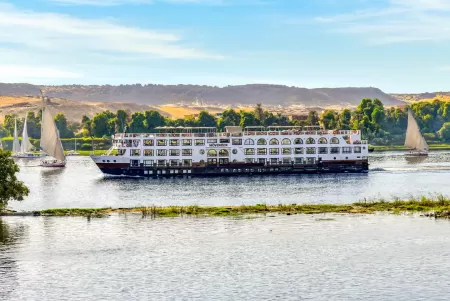
The Nile River served as a crucial element that contributed to Egypt's growth. The river's yearly floods created fertile agricultural land that enabled both farming and commercial activities to thrive. The resulting peace enabled Egyptian people to acquire sophisticated knowledge about construction techniques and building design and medical practices.
Cairo day tour participants visit historical locations and museums which display early Egyptian artifacts that demonstrate how Egyptian civilization began to take shape during its formative years.
The History of Egyptian Pyramids
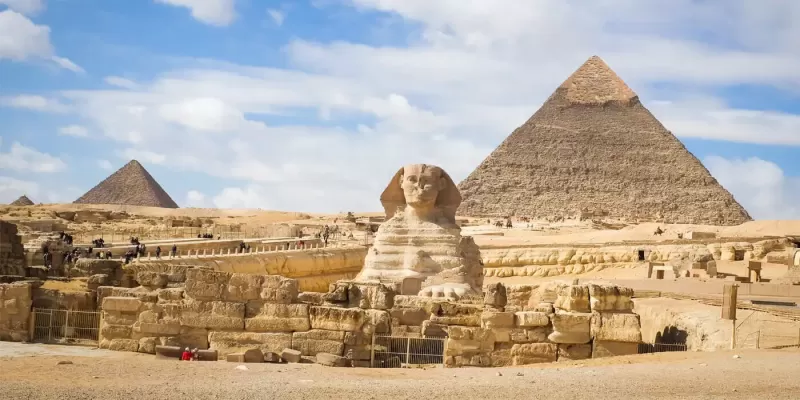
The Egyptian pyramids stand as the most impressive building achievement from Ancient Egypt. The Old Kingdom produced these enormous structures which functioned as burial sites for the pharaohs.
The Great Pyramid of Giza stands as the most famous pyramid that Pharaoh Khufu built during his time as king. The building contains more than 2.3 million limestone blocks which made it the tallest artificial structure worldwide for almost 4,000 years.
The Giza Plateau functions today as a major tourist destination which attracts visitors to its historical sites and serves as an important stop on most tours of Egypt. The pyramids attract travelers who use Egypt Travel Packages to explore the country because they have organized travel routes to the pyramids.
Religion and Mythology in Ancient Egypt
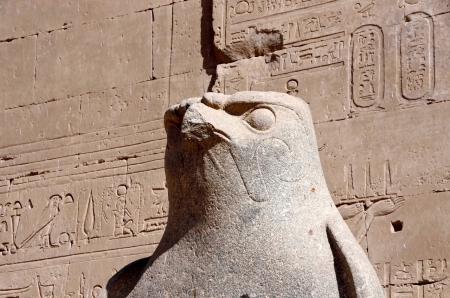
Ancient Egyptians used religious beliefs and mythological stories to guide their daily activities. Egyptians believed that their gods controlled natural forces and determined human existence from birth until death.
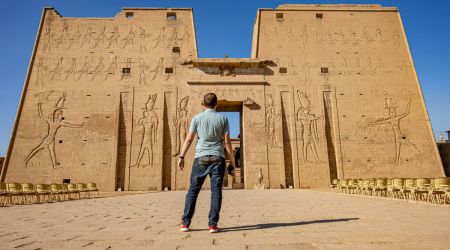
Temples across Egypt were built to honor powerful deities such as:
Ra, the sun god
Osiris, the god of the afterlife
Hathor, the goddess of love and beauty
The mythological stories show tourists the most interesting part of their temple and sacred site visits because they study historical events.
The Egyptian myth about Osiris, Isis and Set describes the unending process of life with its cycles of death and rebirth which functions as a key belief in Egyptian spiritual systems.
The Pharaohs: Divine Rulers of Ancient Egypt
In Ancient Egypt, pharaohs served as both political leaders and divine figures who protected the ma'at balance between cosmic forces and earthly order.
The following rulers stand among the most renowned leaders:
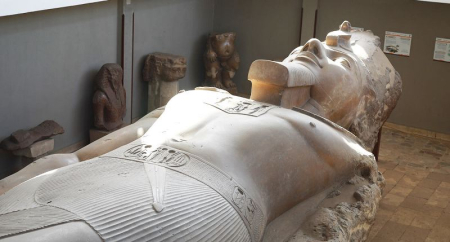
Ramses II (Ramses the Great)
Hatshepsut
Thutmose III
Egyptian people today observe their accomplishments through the extensive temples and statues which still exist as monuments throughout the country. The temples of Abu Simbel and the mortuary temple of Hatshepsut at Deir el-Bahri remain powerful symbols of their reigns.
Egypt tours frequently include these historic landmarks which enable visitors to experience the impressive dimensions of ancient Egyptian architectural design.
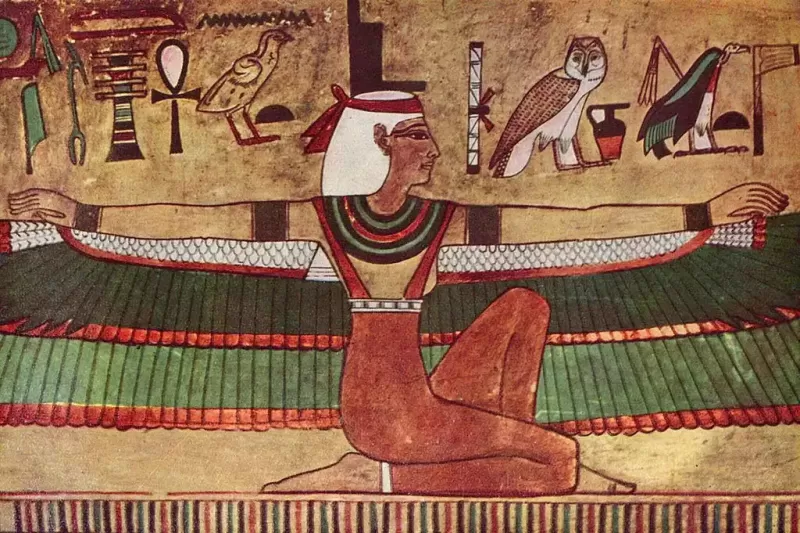
Art and Writing in Ancient Egypt
Art and writing served as fundamental components of Egyptian cultural expression. The Ancient Egyptian writing system called hieroglyphics used symbols and sounds to create written records of historical events and religious beliefs and royal achievements.
The temple walls and monuments and tombs of the country displayed these carvings as decorative elements. The Rosetta Stone discovery in 1799 enabled scholars to decipher hieroglyphics which resulted in the acquisition of historical information that had been lost for centuries.
Many Cairo day tours now offer museum visits where guests can examine these exceptional inscriptions and artifacts at close range.
Daily Life in Ancient Egypt
Ancient Egyptians spent their daily lives performing three main activities of agriculture, commerce, and artisan work which operated under pharaonic rule.
Farmers depended on the Nile’s fertile lands to grow crops, while craftsmen created pottery, jewelry, tools, and textiles. The markets functioned as active hubs because people conducted trade while sharing their knowledge with one another.
All tourists visiting Egypt need to study daily life because it shows them how common people helped create one of the most developed societies in ancient history.
The New Kingdom: Egypt’s Golden Age
The New Kingdom (1550–1070 BCE) served as a time when Ancient Egypt reached its highest power level while expanding its territory. Pharaohs expanded Egyptian influence into neighboring regions while building some of the most impressive temples in the country.
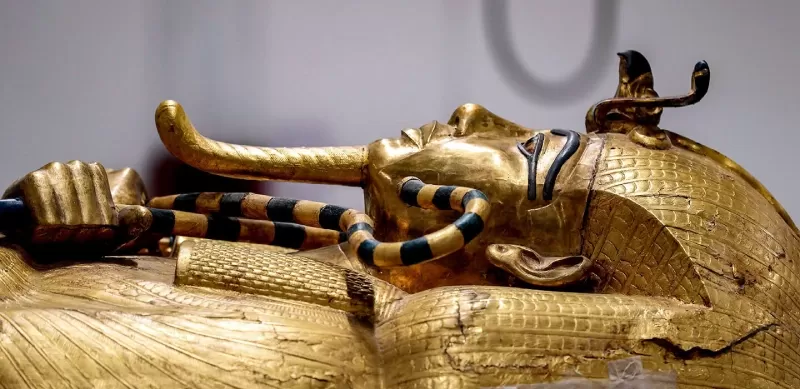
The period established the Valley of the Kings, which served as the royal burial site where pharaohs received their elaborate tombs containing their afterlife treasures.
This historic area still operates as a prominent tourist attraction which many Egypt Travel Packages use to show their guests about ancient Egyptian history.
Exploring Ancient Egypt Today
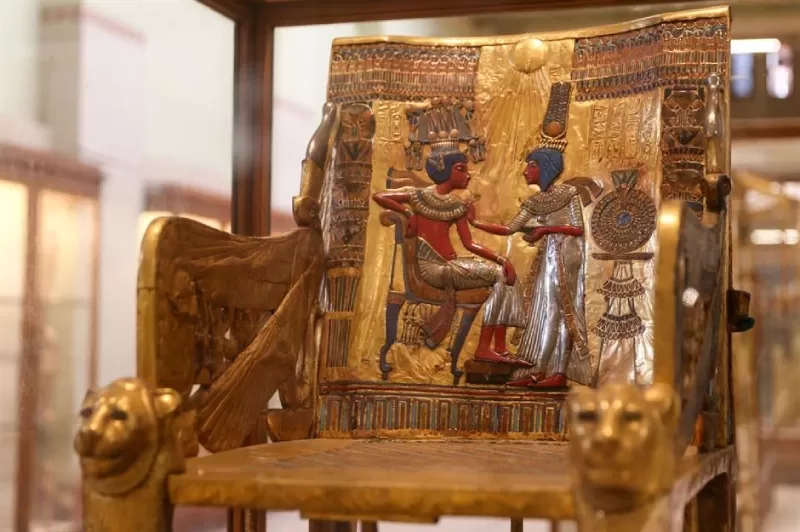
The tourist attractions of Ancient Egypt still attract travelers from modern times. Through organized Egypt tours, guests can visit famous locations which include the pyramids and temples and the various museums that display Egypt's remarkable historical artifacts.
The most common activities that people enjoy participating in are:
The Pyramids of Giza
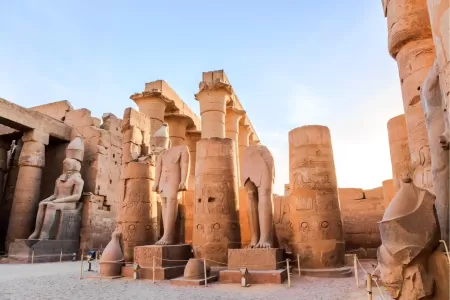
The temples and tombs of Luxor
The Egyptian museums in Cairo
The Cairo day tours which provide educational content
The Egyptians built these paths to help visitors explore the ancient sites while they experience both royal life and the historical events that defined one of humanity's most important cultures.
Ancient Egypt has left behind a heritage which continues to shape global culture through its massive buildings and its influential leaders and its deep storytelling traditions. The pyramids which rise into the sky and the sacred temples that dot the Nile River tell the history of human innovation and religious belief and the excellence of ancient Egyptian culture.
Ancient travelers to these historical sites now find their path to historical understanding which leads to knowledge of the achievements that built the ancient world. A trip through Egypt offers people more than a journey because it creates everlasting memories throughout different historical periods.