The Temple of Kalabsha is one of the ancient Nubian temples near Aswan on the west bank of the Nile. Built-in during the Roman period, the temple has stunning artwork, detailed structural relief, and carvings. The biggest surprise lies at the other end of the sparsely populated interior yard, far from Aswan, with the majesty of Kalabsha against the Nile background to associate Egypt with its history: one not-to-miss Aswan attraction for all visitors looking further for the archaeological and cultural treasures of the area.
The Kalabsha Temple is a wonderful structure that was constructed more than two millennia ago when the Roman emperor Augustus ruled Egypt. The temple was dedicated to the Nubian sun god, Mandulis, and was originally situated in Talmis, near Kalabsha. However, as the Aswan High Dam was approaching completion in the early 1960s, the Temple of Kalabsha was moved from Talmis to its current location in the dry zone of Kalabsha near the island of New Kalabsha.
Unique History of Kalabsha Temple
The Temple of Kalabsha has a long and sprawling history, stretching to the lifetime of the Roman period in Egypt. This impressive ensemble dedicates its building to Caesar Augustus, the first Roman Emperor, but was completed by Caligula, his successor. The temple was built in dedication to the Nubian sun god, Mandulis, and was known as an important place of religious dedications in Nubia when at its peak.
But not all was rosy for the temple during its history. The establishment of the Aswan High Dam in 1960 was an enormous threat to the temple, as the original site of the temple faced submersion by Lake Nasser. Still, through the combined efforts of the Egyptian government and international organizations such as UNESCO, the temple was carefully dismantled and reassembled by the lakeshore, with the process saving it before it was swallowed by water.
The Temple of Kalabsha symbolizes tenacity and the enduring character of human civilization and history. It's worth noting that this remarkable complex occupies a thrilling account of architecture at its peak and religion at its core, as well as its survival's extreme endurance against the odds. But the attraction of the Temple of Kalabsha does not end with its historical appeal—the grandeur of the temple in terms of construction and stunning carvings itself is the perfect highlight on any itinerary of Aswan tours.
Architectural Wonders of the Temple of Kalabsha
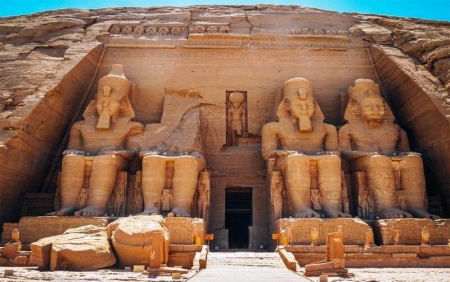
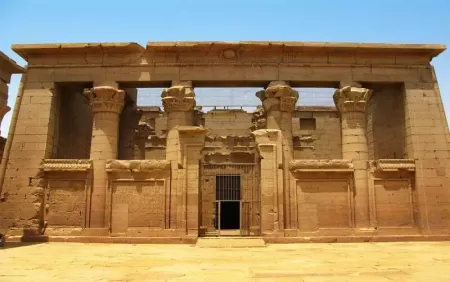
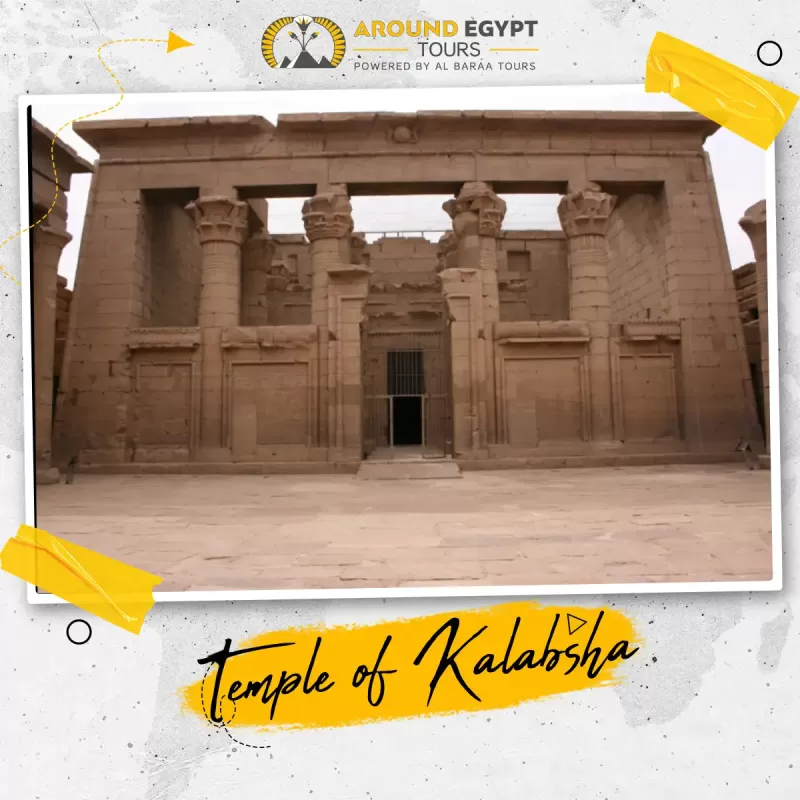
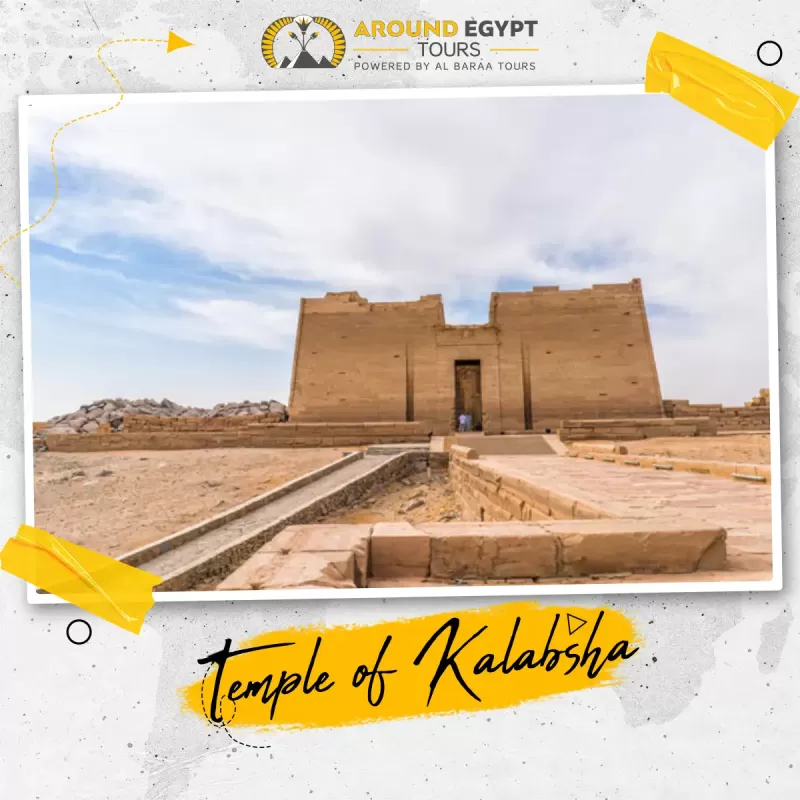
The Temple of Kalabsha functions as a comprehensive demonstration of Egyptian and Roman architectural techniques. From the moment you enter through the main pylon entrance, the temple displays its detailed wall carvings and inscriptions, which will capture your immediate attention. The carvings show different religious ceremonies and mythical stories and actual historical occurrences, which give us a valuable window into how ancient Egyptians and Romans practiced their religious traditions.
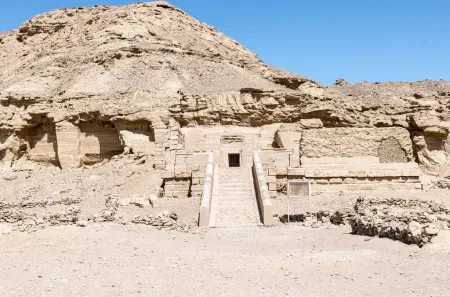
The temple's layout is another architectural wonder. The complex comprises the main temple, a courtyard, and several outbuildings, all arranged in a symmetrical pattern. The main temple consists of multiple sections, which include the pronaos or portico, the hypostyle hall, the sanctum, and the crypt. The architectural elements of each section feature detailed designs, which include complex reliefs and inscriptions.
The Temple of Kalabsha functions as an architectural masterpiece that demonstrates the aesthetic tastes, architectural skills, and religious practices of the ancient civilizations that constructed it. The site serves as an essential stop for Egypt tours because it showcases historical artifacts, artistic works, and architectural designs.
The Religious Significance of the Temple of Kalabsha
The Temple of Kalabsha, dedicated to the Nubian sun god Mandulis, served its original purpose. This deity had a special connection with the sun, and he served as the protector of music and dance. The temple became a major center of worship, which brought religious followers from all parts of Nubia and Egypt.
The temple's religious importance shows through its architectural design as well as its multiple inscriptions and relief sculptures, which cover its walls. The carvings show religious practices through their depiction of ancient Egyptian and Roman worship activities.
The temple's inner sanctum contained the Mandulis statue, which people believed to be the actual physical representation of the god. The location operated as a pilgrimage site where worshippers arrived to honor the deity and obtain his divine blessings. The Temple of Kalabsha appears as an authentic Egypt travel package that enables visitors to discover its outstanding architectural design and sacred atmosphere from ancient times.
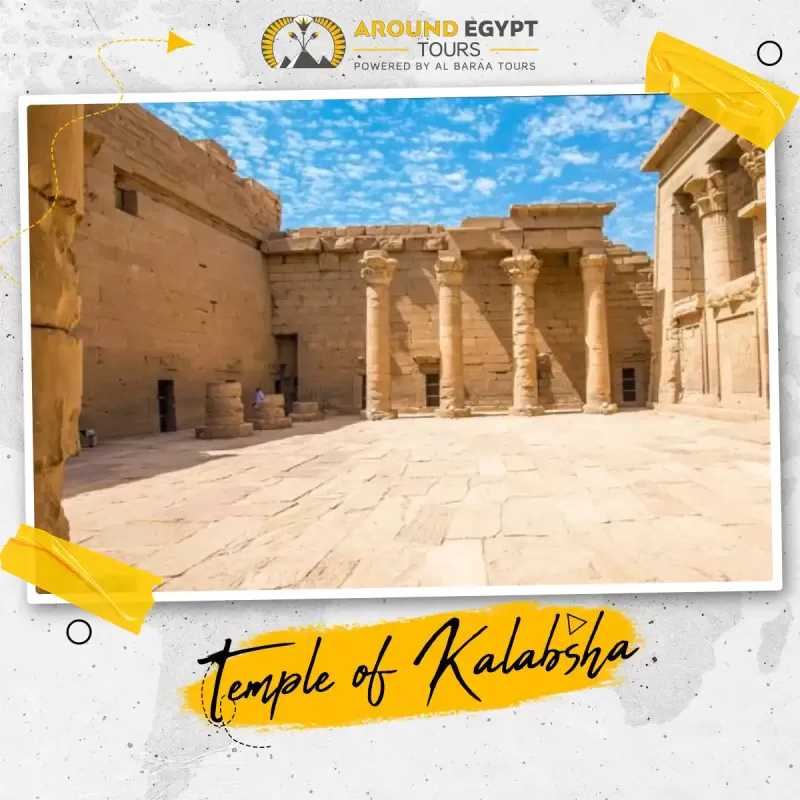
A Journey Through the Temple of Kalabsha
The Temple of Kalabsha offers an extraordinary walking experience that allows visitors to experience the ancient Egyptian and Roman historical periods. Visiting the grand entrance, which includes a pylon entrance, brings visitors to experience the historical world of ancient Egyptians and Romans. The architectural design displays massive columns, which create visually appealing spaces that display detailed carvings and impressive relief sculptures.
The temple's main entrance leads to the grand hypostyle hall, which features an extensive area that contains rows of columns together with stunning relief work and decorative elements. The hall served as a religious space where ceremonies took place, and the sacred energy from those ancient rituals continues to exist within its walls.
Highlights of the Temple of Kalabsha
The Temple Complex of Kalabsha contains multiple historical and architectural treasures. The main points of interest in the temple include its grand pylon entry, hypostyle hall and sanctuary, and crypt too. The walls are yet another major attraction here, with their intricate carvings and reliefs. The carvings show various sacred ceremonies and mythical stories and historical occurrences that demonstrate the ancient Egyptians' and Romans' belief systems and cultural practices.
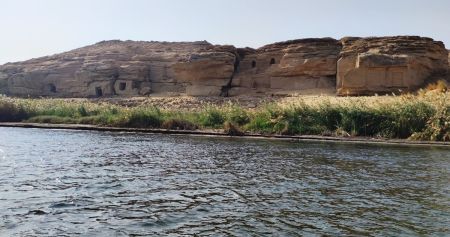
The temple's location on the shore of Lake Nasser is another highlight. The temple's beauty and majesty receive a major boost from the lake's peaceful waters, which create an incredible view. The temple provides stunning views of both the lake and the natural surroundings, which makes it an essential destination for outdoor enthusiasts.
The Temple of Kalabsha stands as both a historical architectural wonder and a perfect setting for photographers. The location provides an ideal area for photographers to capture its complete beauty and historical significance.
Tips of visiting the Temple of Kalabsha
When you visit Kalabsha Temple for the first time, it may seem like a lot. But follow a few tips to make your visit worth remembering. First, hire a guide around the place—a man who knows the place and possibly someone with history behind the temples, in terms of architecture and religion. The guide will give you his full knowledge, leaving you awed with the history of the Temple of Kalabsha.
The writer is advised to spend enough time within them. After all, the Temple of Kalabsha is a magnanimous complex, occupying it and therefore having noble assets to show to countless visitors. Thus, don't hurry when coming to this temple. Instead, there is still some time to respect the temples, ones that are intricate with carvings and in an enviable, breathtaking location.
Finally, remember to respect the sanctity of the temple. Even though the Temple of Kalabsha is just a mere archeological site, it is a place of religious importance that is in dire need of us all to acknowledge for its respect and reverence. Kindly do not touch any of the relief work and carvings while observing silence inside the sanctuary—it is for the veneration of the spiritual forces of the temple.
The Temple of Kalabsha mixes history, architecture, religion, beauty, and ancient mystery in an arresting blend. Visitors to this temple do not simply visit an archaeological site; it is more a trip back in time, an exploration of ancient civilizations, a tribute to human resilience and intelligence, and a spiritual journey resonating with the divine energy of gods from days unnumbered.
In the Temple of Kalabsha, there is something or the other for you. If you love history, you can enjoy the grandeur of its ruins. For lovers of nature who expand their spiritual vision of ancient life, they get to see the enormity of radar energy unfurling all through them. For a layperson who cares about a glimpse of ancient times, be at peace with the beauty of simple thoughts and reverence that the venerated site calls to the soul.
Now, come on this unforgettable journey and discover what the Temple of Kalabsha is all about. Feel the grandeur of the past, the wisdom of the ancients, and the beauty of bygone times—this temple is waiting for you to marvel at its captivating beauty, beauty that is still steered by profound spirituality, and its arresting history.